Article
How to Identify a Fake Telegram Account: Know if Someone on Telegram is Trying to Impersonate and Scam You
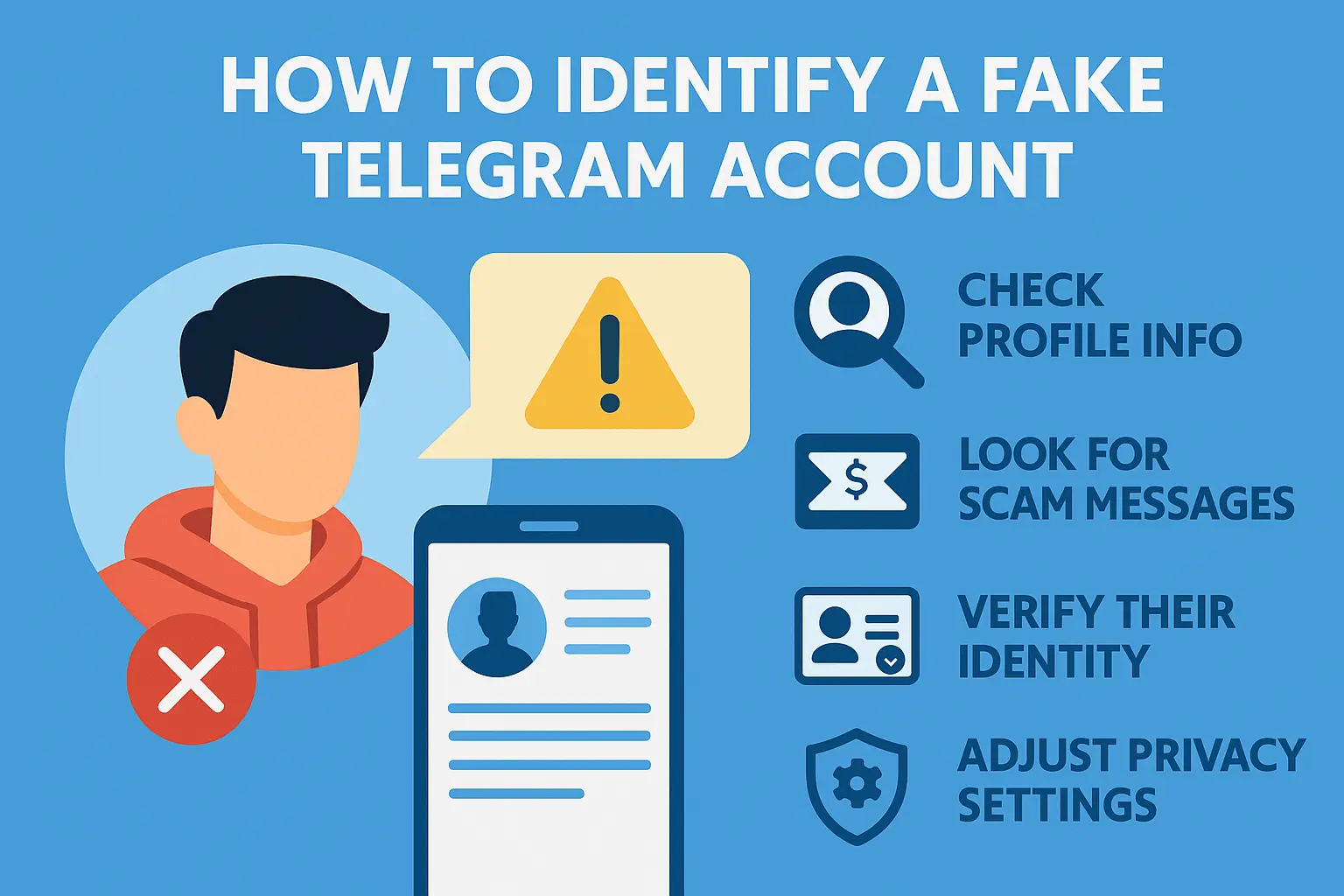
Telegram is one of the most used messaging apps in the world. But as more people use it, more and more scammers and impersonators are making fake accounts to fool people who don't know any better. You should know how to spot a fake telegram account so you don't lose money, have your identity stolen, or have other bad things happen. This complete guide will teach you how to recognize fake profiles, how scammers work, and how to stay safe while using this great messaging app. These tips will help you protect your money and personal information, no matter how long you've been using Telegram. Smart scammers use tricks to make you believe you can trust them.
What Are the Most Common Signs of a Fake Telegram Account?
You can look for a few signs before you get scammed that will help you find fake telegram accounts. A profile that isn't complete or looks suspicious is one of the most obvious signs that something is wrong. Fake accounts usually have profile pictures that are too general, bios that don't say much, or usernames with letters or numbers that don't match the claimed identity. Over time, real people usually add personal touches to their profiles, but these accounts don't have any.
When and how someone gets in touch with you is another big red flag. People who don't know scammers often get messages that seem too good to be true or make them feel like they have to do something right away. They might tell you about chances to invest, find love, or get great deals that you need to act on right away. People who really use the app usually have natural reasons for getting in touch with other people, like having mutual friends or interests in groups or channels.
When fake profiles talk to each other, they also tend to act in certain ways. Fake accounts often use language that is too formal, don't answer video calls or voice messages, and may send generic replies that don't answer the questions you ask. They often try to get people to leave Telegram quickly by suggesting other places where they can better control the conversation.
How Can You Verify if a Telegram Account is Real or Fake?
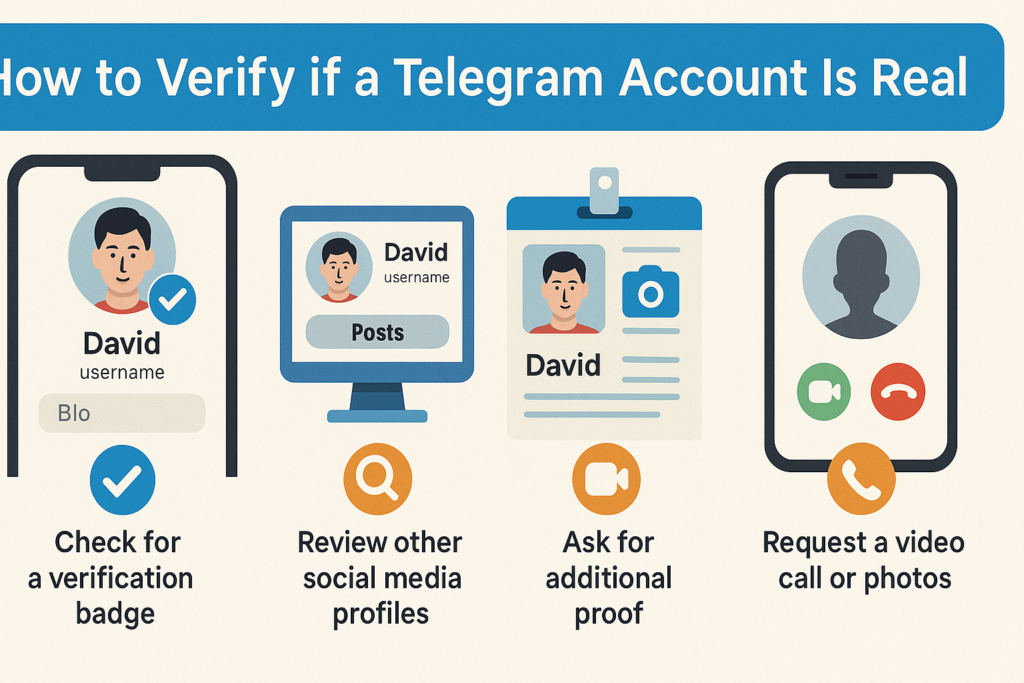
The first step in checking an account is to look at its basic information and history. Look for a badge on the account that says it's real. A blue checkmark next to a person's name means that they are real, famous, or an official group. But keep in mind that just because your name doesn't have a blue checkmark next to it doesn't mean your account isn't real. Most real users shouldn't be checked out.
Compare the person's profile information to what they do on other social media sites. Most of the time, a real person has the same pictures, information about themselves, and patterns of posting on all of their social media profiles. You can find out who they are and if they are real by looking for their name or username on the official website or on other social media sites.
Before you believe what the account holder says, always ask for more proof. Ask for recent pictures, video calls, or other forms of communication that happen in real time and would be hard for a scammer to fake. Most of the time, real users are happy to show who they are in a way that makes sense. Scammers, on the other hand, often make excuses or don't respond when asked for proof.
What Tactics Do Scammers Use on Telegram to Deceive Users?
Scammers know how to use Telegram's features to get people to believe them and do what they say. To get people interested at first, they often act like famous people, successful businesspeople, or attractive people. These impersonators carefully put together their profiles using stolen photos and biographical information to make their fake accounts look real and trustworthy.
One of the most emotionally manipulative things people do on the site is run romance scams. Scammers use fake names and spend a lot of time getting to know their victims personally before asking for money. They might say they need money for emergencies, to meet in person, or to put money into something that could help both of them.
On Telegram, scams that use cryptocurrency and investments are getting better and better. Scammers might act like successful traders or financial advisors and show you fake profits and reviews from other "happy clients." They often use AI to make fake proof of their success that looks real. People who don't know what's going on have a hard time telling the difference between real chances and scams.
How Do Fake Accounts Often Try to Extract Personal Information?
Requests for personal information extraction usually start out as harmless but get worse and worse over time. Scammers will ask you simple questions like where you live, what you do for a living, or how many kids you have to make it seem like they want to get to know you better. They use this information to make psychological profiles that help them figure out how to talk to you and what your weaknesses are.
You often have to explain why you need sensitive data in order to get financial information. They might say they want to call you and ask for your phone number, or they might say they need your bank information for a "business opportunity." They might also ask for codes that they say are necessary to protect your account. After talking for a long time and getting to know each other, these requests come up a lot.
Scammers may also ask for payments that are hard to find or get back, like gift cards, cryptocurrency transfers, or other forms of payment. They often make things seem important so that people feel like they have to give them money or personal information right away, before they have time to think about it or talk to other people who might know it's a scam.
What Red Flags Should You Watch for in Telegram Messages?
Scammers send the same kinds of messages over and over again, according to an analysis of message content. People who send messages from fake accounts often use bad grammar, change the way they talk, or use phrases that look like they were copied from templates. They might say they're from one country, but the way they talk or what they talk about makes it sound like they're from another.
Another big red flag in telegram messages is when people use tactics that make them feel rushed. To get people to act quickly, scammers often say that there are limited-time offers, emergencies, or chances that are about to run out. Because of this stress, targets find it hard to take the time to check facts or get advice from friends or family they trust.
You should always be careful of links or requests to talk to people outside of the platform. Scammers like to get people to talk on sites that don't have as many security features or don't keep records of conversations. They might send you links that look like they go to sites where you can invest, share photos, or prove who you are, but they really want to steal your login information or install malware.
How Can You Safely Verify Someone's Identity on Telegram?
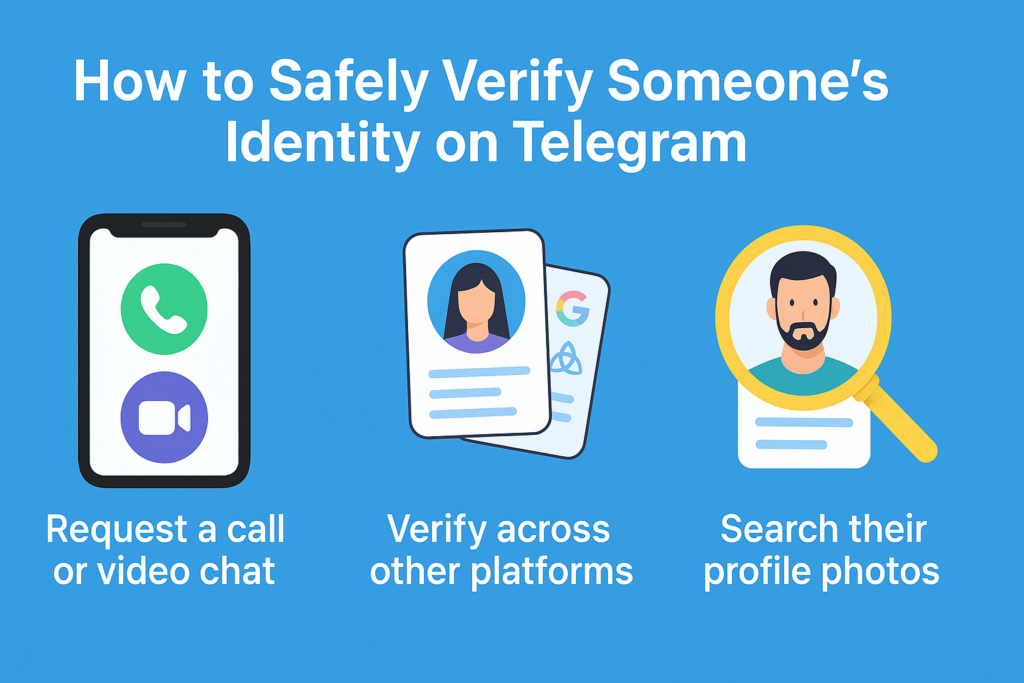
Always use safe ways to prove who you are that don't put your safety at risk. Start by asking for calls on the phone or video. It's much harder for scammers to make these things look real. Most of the time, real people will agree to reasonable requests for proof. Scammers, on the other hand, will often say they can't do it because of problems with technology, privacy issues, or scheduling conflicts.
Cross-platform verification is an extra layer of security that can help you make sure someone is who they say they are. Make sure they have the same profiles on a lot of social media sites, that they have been active on those sites for a long time, that they have friends in common who can vouch for them, and that their posts are consistent with who they say they are and how they live their life.
You could try searching for their profile pictures and other pictures they post using reverse image searches. A lot of fake profiles use pictures they found on other social media sites, stock photo sites, or model portfolios. If the pictures are on a lot of different profiles or look too professional for everyday use, this could be a sign of fraud.
What Should You Do When You Encounter Fake Telegram Accounts?
Stop talking to the account you think is fake right away. Do not click on any links they may have sent you. Take screenshots of their profile, messages, and anything else that seems strange to keep a record of the conversation. If you need to tell someone about the event or if someone else asks about similar ones, this information can be useful.
Use the reporting tools that come with Telegram to let them know about the scammer. This will keep other people from having the same issue. You can report accounts that look like they might be fake on most messaging apps, like Telegram. These reports help the platform's security algorithms and ability to respond get better.
If you've already given out money or personal information, you need to take more steps to protect yourself right away. Change the passwords on accounts that could be hacked, keep an eye on your financial accounts for any strange activity, and if your personal information was shared, you might want to set up fraud alerts with credit reporting agencies.
How Do Scammers Impersonate Verified Public Figures on Telegram?
It is hard to commit fraud by pretending to be a famous person or public figure in a telegram. Scammers make fake profiles that look like real ones by using real photos, biographical information, and even usernames that are very similar but have small differences, like extra numbers or misspellings. They hope that people won't notice the profile information or the lack of an official verification badge.
These fake stars often use their fake fame to sell scams, cryptocurrency projects, or investment schemes that promise to help people. They might say that they personally support certain products or opportunities, using their supposed fame and success to make fake businesses seem more real. Because people trust and get excited when they talk to famous people, scammers pretend to be famous people.
Be extra careful when you look at celebrity accounts because real celebrities don't usually talk to random people directly. You should always check their official website or other social media accounts to make sure they are who they say they are. Be careful with any financial offers or personal messages that don't seem to come from a well-known person.
What Privacy Settings Can Help Protect You from Account Scams?
Telegram has a lot of privacy features that protect you from scammers and fake accounts. You can change your privacy settings to decide who can message you directly, add you to groups, or see your private information.These settings keep you from getting messages from accounts you don't know and didn't ask for.
Two-step verification makes your account much safer by making it much harder for scammers to get into it, even if they have your phone number. This feature makes it much harder for bad people to get into your account because they need both your password and a code to do so.
You could use Telegram's privacy settings to stop other people from seeing your phone number, last seen status, and profile pictures. These features might make the platform less social, but they protect your private information from scammers who could use it to get money from you.
How Can You Help Others Stay Safe from Telegram Scams?
It's very important to share information and teach people so that a lot of people don't fall for telegram scams. If you see any fake accounts or scam attempts, tell your friends what the scammers are doing. This group of people who watch out for each other makes the popular messaging app safer for everyone who uses it.
Community reporting helps the platform find and get rid of fake accounts faster. When more than one person reports the same suspicious account, the investigations are more thorough, and the profiles that are harmful are taken down more quickly. Your reports help keep other real users from getting scammed in the same way.
Tell your friends and family who use the platform about common scams. Many people don't realize how smart scammers are, but knowing how they work can help other people keep their money and personal information safe. You could make educational materials or join conversations about online safety to help people learn more about how to stay safe online.
Important Things to Remember About Finding and Staying Away from Fake Telegram Accounts
Understanding the difference between real and fake Telegram accounts is essential for both users and channel owners. If you decide to buy Telegram members, always prioritize quality and authenticity over inflated numbers to protect your channel's reputation and long-term growth.
• Before giving out personal information, always make sure that people you don't know are who they say they are by using video calls, voice messages, or confirming across platforms.
• Don't trust messages that come out of the blue and promise you investment opportunities, romantic connections, or deals that seem too good to be true.
• Check for verification badges on the accounts of famous people and compare them to their official website or other social media accounts.
• Don't give out your passwords, verification codes, or financial information to people you haven't met in person or who you haven't fully verified. Use Telegram's privacy settings and two-step verification to keep your account safe and keep scammers away. If you see an account that seems fishy, let the platform know so they can improve security and keep other users safe. Be careful when people ask you to move conversations to other platforms or click on links that could put your device at risk. If you think you might need to tell the police about fraud, take screenshots and write down any strange interactions. If something seems off or too important, trust your instincts and look into it before you do anything. Stay up to date on the latest scams and tell others what you know to help make the internet safer for everyone.
Comments
No comments yet. Be the first to share your thoughts.